Carpets and Pets - Are They Compatible?
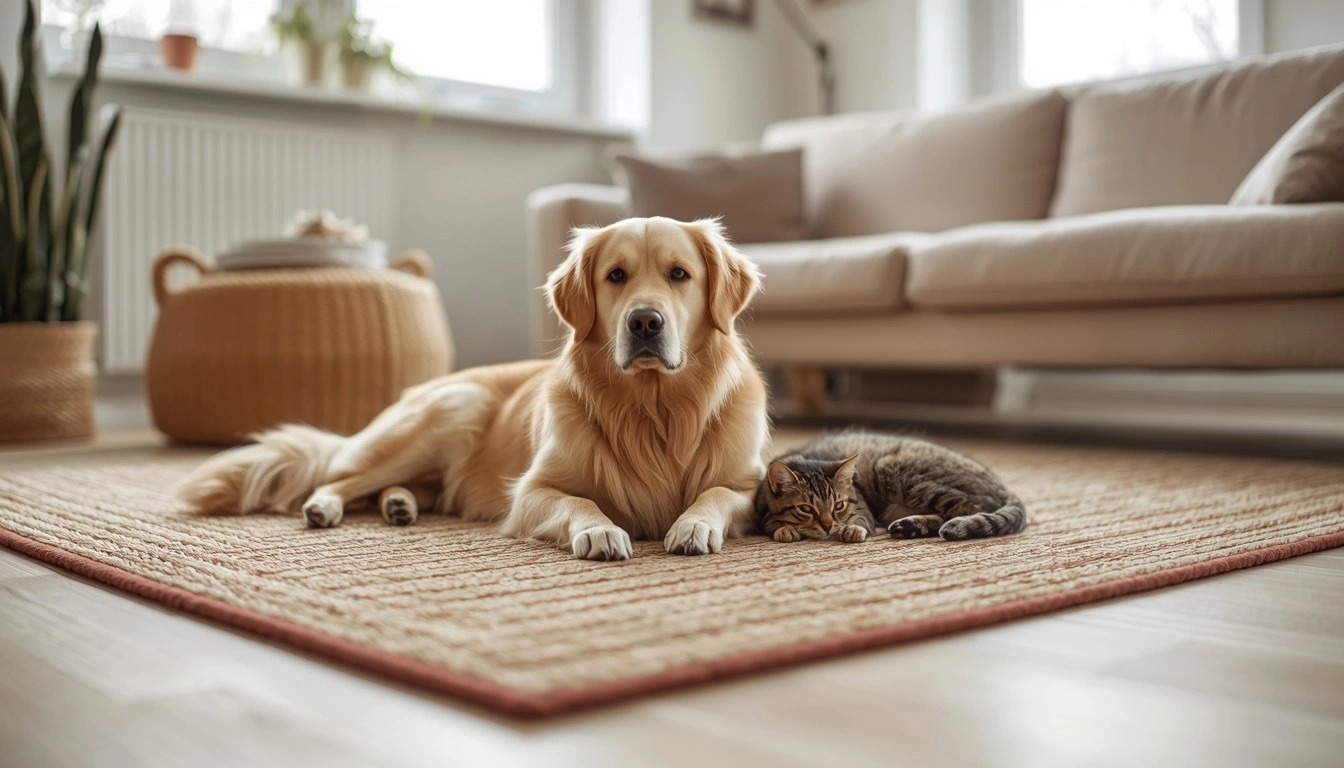
Pet owners often face a real dilemma: carpets make a home feel cozy, but can they survive claws, shedding, and the general chaos that comes with a four-legged roommate? The answer is yes - if you make a thoughtful choice. It all comes down to pile type, material, color, and weave density. Let's break it all down.
Which Pile Type Attracts the Least Pet Hair
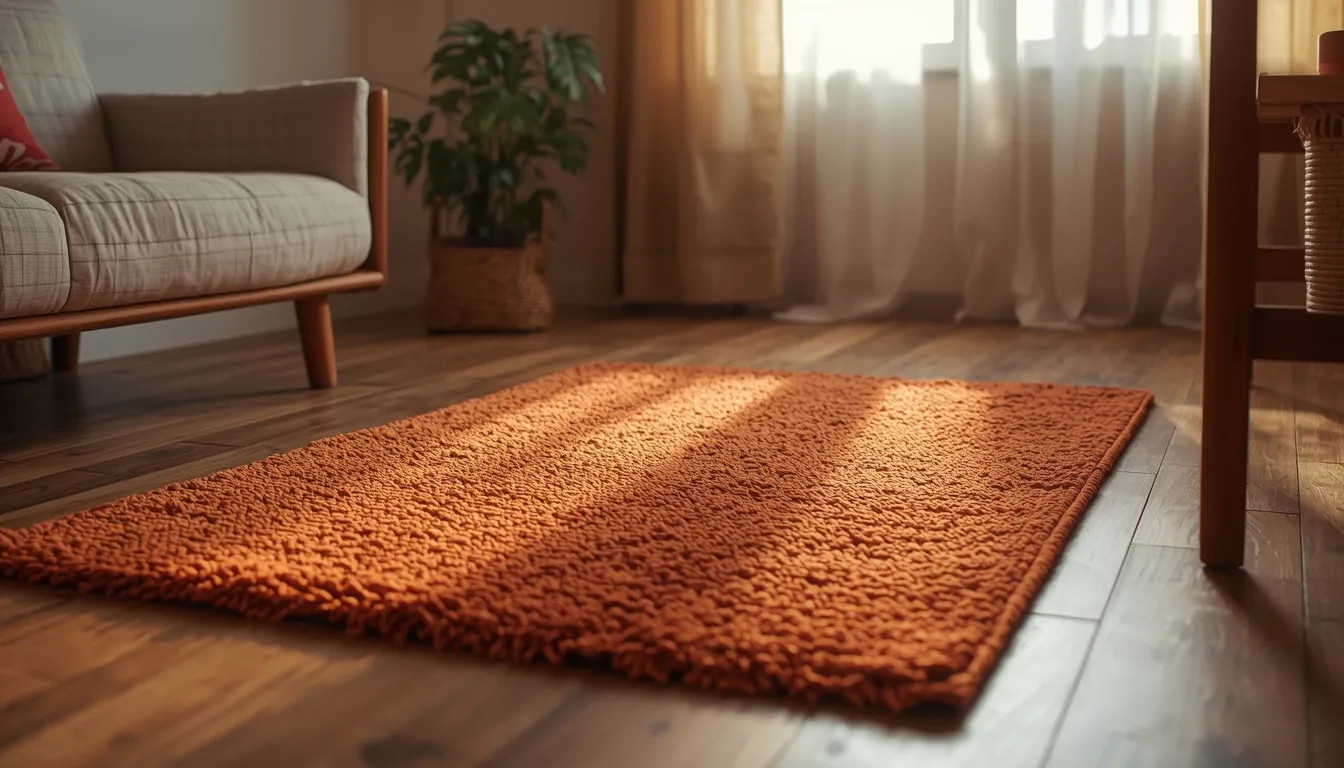
Pile height and structure are the first things to consider. Long, fluffy pile looks luxurious but acts like a trap for pet hair - strands get deeply tangled in the fibers, making them difficult to remove even with a powerful vacuum. Low-pile and medium-pile carpets are a far more practical choice. Their densely packed fibers don't allow hair to sink deep, so cleaning takes half the time.
Loop pile deserves special attention. Berber carpets and other loop-pile styles have decent durability, but carry one serious drawback for pet owners: a cat's or dog's claws can catch on a loop, pull a thread, and damage the carpet's structure. For homes with pets, experts consistently recommend cut pile. The fibers stand upright, don't form loops, and won't snag or hurt your pet's paws.
Among cut pile options, frieze and saxony are the most practical. Frieze features tightly twisted fibers that slightly flop to the side - this unique texture expertly hides paw prints, dirt, and activity marks. Saxony is a more classic, even-looking style that also holds up well to wear and is easy to clean.
Material - The Foundation of Durability
The most reliable material for a carpet in a home with animals is nylon. It is exceptionally resistant to abrasion, handles moisture well, and doesn't allow hair or dirt to soak deep into the fibers. Nylon carpets can be cleaned with stronger solutions without risking damage to the structure.
Polyester is a more affordable option and also performs well. It resists stains and feels pleasant underfoot. Polypropylene (olefin) is excellent for high-activity zones - like entryways - since it repels moisture and can even be cleaned with diluted bleach solutions. Natural wool, while aesthetically appealing, is less suited for pet owners: it is harder to clean and can absorb odors if accidents aren't treated promptly.
Snags and Scratches: How to Protect Your Carpet
Cats are notorious for sharpening their claws on anything available - including carpets. Loop-pile carpets are most vulnerable: once a cat hooks a claw into a loop, it pulls and the carpet begins to unravel. For rooms where cats spend time, always choose cut pile with a tight weave - that way, an isolated scratch won't leave a visible mark.
Another practical step: give your pet an alternative. A few scratching posts placed around the apartment significantly reduce your cat's interest in the carpet. Dogs, on the other hand, may chew carpet edges or push rugs around during play. An anti-slip pad that keeps the carpet in place - combined with a well-fitted size - makes a rug far more resilient to this kind of wear.
If a pulled thread does appear on your carpet, don't tug it - you'll only enlarge the damage. Carefully trim the thread level with the pile using sharp scissors, and the defect will become nearly invisible.
Colors and Patterns That Save Your Sanity
Carpet color is not just a matter of taste - it's a practical decision. Very light shades instantly reveal every speck of dust and strand of pet hair. Very dark solid-colored carpets hide dirt well, but become a perfect showcase for light-colored fur.
The optimal solution is neutral mid-tone shades: beige, sand, warm gray, light brown. These tones distribute signs of use evenly and don't draw attention to hair or stains. Even better is choosing a color that closely matches your pet's coat - a simple but effective camouflage trick.
Patterned carpets are equally effective - geometric prints, abstract designs, and multi-tonal or melange weaves all break up the surface and hide dirt between pattern elements far better than a solid color. If you have two pets of different colors, a melange carpet with both dark and light threads is an excellent all-purpose choice.
Maintenance Is Half the Battle
Even the best carpet needs regular care. Vacuum at least once a week, and more frequently during heavy shedding seasons. Choose a vacuum with a turbine brush head - it pulls hair out of carpet fibers far more effectively than a standard attachment.
When accidents happen, act immediately - the sooner, the better. Blot the stain with a paper towel without rubbing, so you don't spread the mess. Then apply a mild cleaner or enzyme-based spray - it breaks down organic compounds and eliminates odor at the source rather than masking it. Deep cleaning should be done once a season or as needed.
When buying a carpet for a home with pets, look for a protective treatment or water-resistant backing. Such carpets don't allow liquids to penetrate and stay fresh much longer. Kraftohata rugs are made with the real demands of modern home life in mind - tight weaving, color-fast dyes, and practical tones help keep your carpet beautiful even in the most active household.
The Short Version
To sum up: for a home with a cat or dog, the best choice is a carpet with short or medium cut pile, made from a synthetic fiber - nylon or polyester. Choose a neutral color that's close to your pet's coat, and use a patterned design to hide what color alone can't. Pair your carpet choice with regular vacuuming and prompt stain treatment - and your carpet will last for years, no matter how much energy your four-legged family members bring to the table.