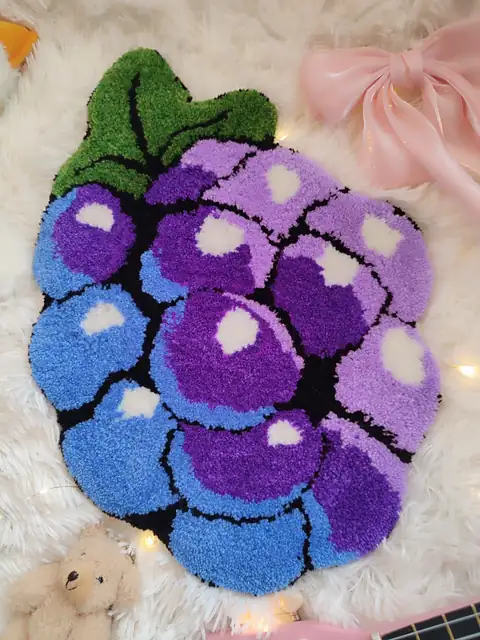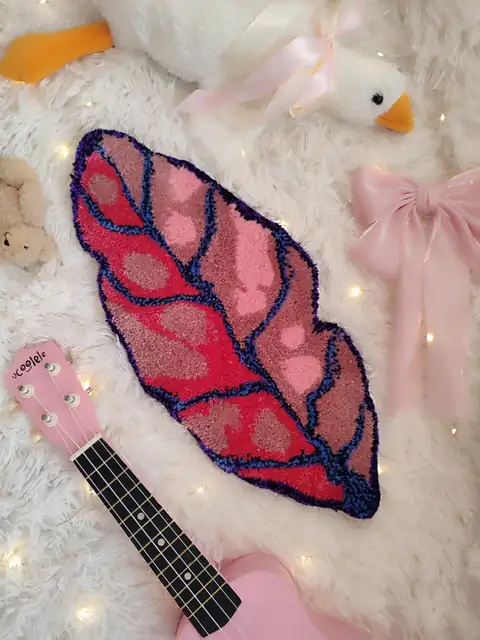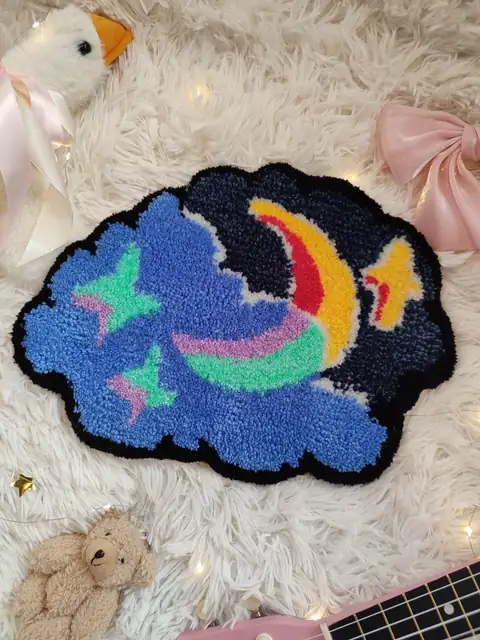
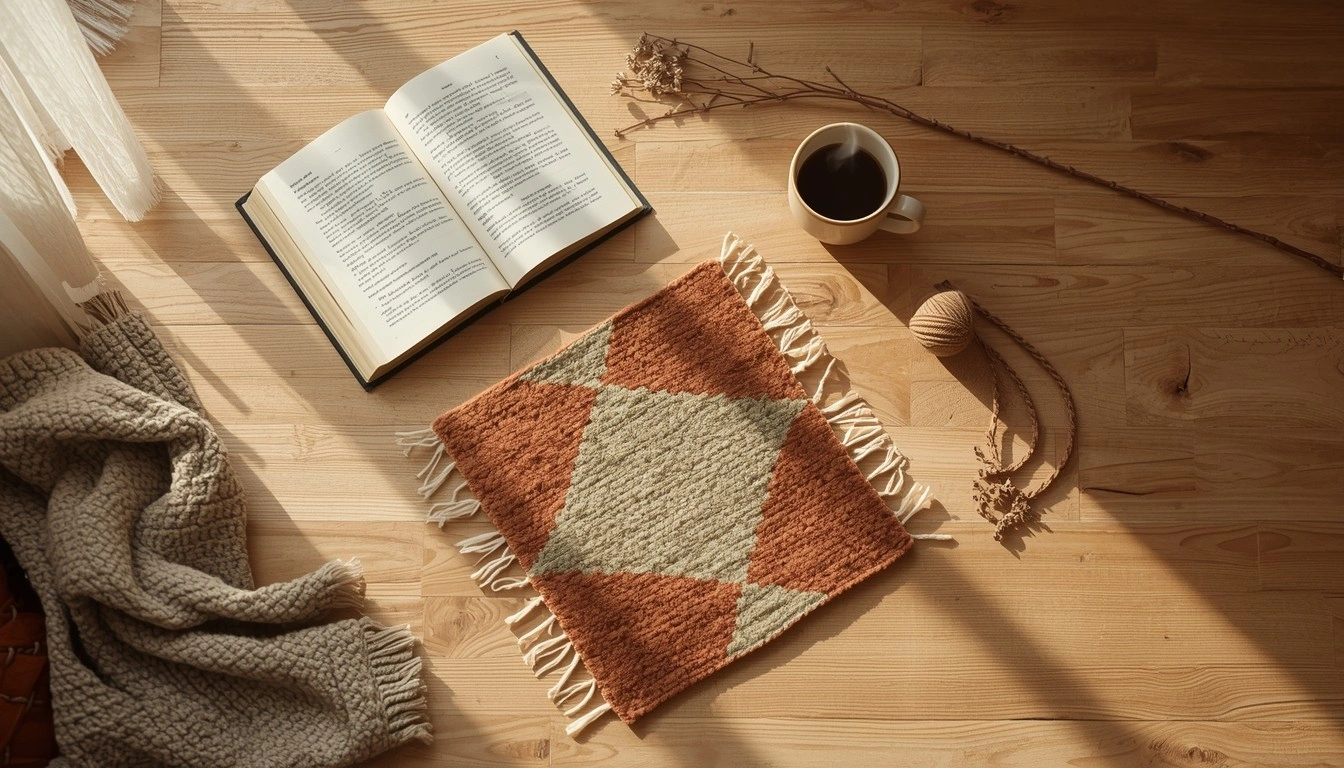
There is a certain magic in small things: they don't shout, but their absence is immediately felt. A mini rug - or ruglet - is exactly that kind of detail. It doesn't occupy the center of the room or claim the leading role in the interior. But remove it, and something in the space becomes colder, less complete - as if someone forgot to place a period at the end of a sentence.
In this article, we talk about where a small rug comes fully into its own - not in the living room with a large sofa, but in the more intimate, personal corners of a home. The places where a person rests, focuses, dreams, or simply starts the morning.
What Is a Ruglet and Why It Is Its Own Genre
A ruglet is a general term for a small rug, typically ranging from 40x60 to 80x120 centimeters. It doesn't stretch under all the legs of a sofa or divide the living zone from the kitchen. Its purpose is focused and precise: to mark a place, soften a surface, and add warmth to a specific corner.
If a large rug is the foundation of a room, a ruglet is the accent. It can be contrasting or - on the contrary - blend softly into the overall palette. It can feature a pattern, geometry, a botanical ornament, or simply a fluffy solid texture. What matters is that it always responds to the specific needs of its location.
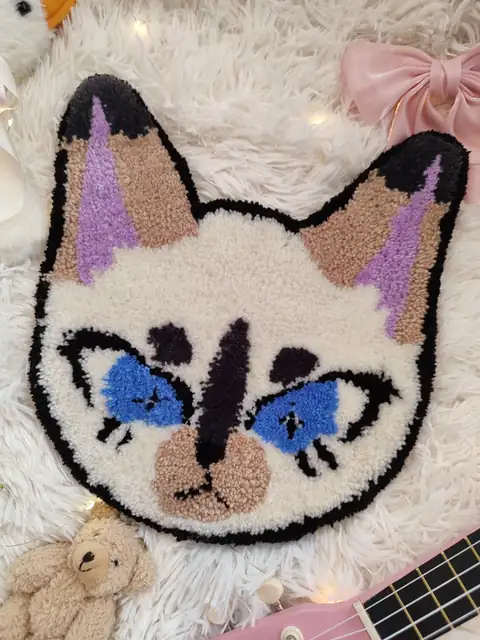
In Kraftohata's collections, handmade mini rugs exist as independent objects - not shrunken copies of a larger piece, but separate items with their own character, proportions, and purpose.
The Bedside Zone: The First Touch of Morning
Imagine: an alarm, darkness, a cold floor. Now imagine the same - but the first thing your feet touch is a soft, warm rug. The difference is enormous, even though it is measured in just a few centimeters of textile.
A bedside mini rug is one of the most functional yet underrated elements of a bedroom. It serves several purposes at once: it protects against a cold floor, softens the space next to the bed, and visually "grounds" the bed - giving it more weight and presence in the room.
For the bedside zone, rugs made from natural fibers work well - cotton, wool, or linen. They are not slippery, handle frequent use well, and hold their shape. In terms of color, you can choose a tone-on-tone match with your bedding for softness and calm, or a bright contrast if you want a small mood boost every morning.
Where exactly to place it? Classically - on one side of the bed or on both. If the bed is against a wall, one rug is sufficient. In a more spacious room, two symmetrical rugs create a sense of order and rhythm.
The Reading Window Nook: Where Time Slows Down
A wide windowsill is many people's dream. Place a cushion there, throw a blanket over it, pick up a book, and look out the window between pages. But even the most beautifully arranged reading nook only truly becomes a place of escape when it has the right textiles.
A mini rug underfoot - or even laid on the windowsill itself as a soft covering - transforms a functional niche into a genuine cozy corner. This is especially important in colder months, when the windowsill can feel cool and doesn't quite invite you to sit for long.
For such spaces, rugs with a short or medium pile work well - they don't take up much space, are easy to clean, and don't interfere with sitting. Natural tones - beige, sand, moss, clay - help the space "breathe" and don't draw attention away from the view outside.
If the windowsill is narrow, the rug is placed on the floor directly beneath it. The effect is the same: the zone becomes defined, separated from the rest of the room, and a person feels they have entered another small world.
The Loggia and Balcony: Extending the Home Outward
A loggia is a special space. Not quite outdoors, not quite indoors. That is precisely why it is so important to "domesticate" it with textiles - so it doesn't remain a cold transitional buffer but becomes a full room, small but warm.
A mini rug on a loggia plays a symbolic role: it says "you can stop here." Under a chair with a morning coffee, it is no longer just a balcony - it is a space for a daily ritual. Under a yoga mat or a small reading chair, it becomes almost a meditative corner.
For open or semi-open loggias, it's important to choose materials resistant to moisture and sun: synthetics with a flat weave, polypropylene, or special outdoor collections made from natural fibers with a protective coating. For enclosed loggias, the same rugs used indoors work perfectly well.
The styles that work for balcony zones include Scandinavian minimalism, bohemian eclecticism, or a natural eco-style. What matters most is that the rug is small enough not to clutter the space, yet noticeable enough to set the mood for the entire corner.
The Desk and Home Office: Taking Care of Yourself at Work
It might seem like a rug under a desk belongs in the living room or dining area. But a small ruglet in the home office zone is an entirely different conversation.
First, it softens sound: in spaces with hard flooring, a wheeled chair rumbles, and a rug solves this problem without any complicated solutions. Second - and more importantly - it creates a sense of personal space. When your feet rest on something soft rather than cold laminate, the mind relaxes slightly. And this is noticeable even after several hours of work.
For work zones, short or low-pile rugs work best - so the chair rolls without effort. The shape can be rectangular or round, depending on the shape of the desk and the overall style of the room. In terms of color, neutral tones or those that resonate with your sense of focus work best: dark blues, greens, and earthy tones support concentration.
And one more thing - a small rug next to the chair where you rest between tasks, or under a standing desk if you practice working while standing, is care for your body that costs far less than it might seem.
The Children's Corner and Play Zone
Children instinctively search for "their own" place - a small zone where they can play, draw, or build. A mini rug becomes a natural marker of such a space even in the middle of a large room.
A ruglet under a child's table or in a book corner tells the child: "this is your place." It requires no walls or partitions - a colorful or textured rug is enough to make the space feel separate and personal.
For children's zones, what matters is: ease of washing (wool and cotton rugs that are machine-washable), safe dyes, no chemical smell, and a non-slip backing. Bright colors, geometric patterns, or thematic designs all help the child engage with the space joyfully.
The Hallway and Entryway: First Impressions at Home
A small rug in the entryway seems like an obvious choice. But we are not talking about a dirt-catching mat by the front door. We mean a small decorative accent on the hallway floor - one that sets the tone for the entire home.
A narrow hallway gains character through a rug with a pattern or interesting texture. A small niche or shoe shelf looks more complete with a ruglet beneath it. This is a detail that guests notice - and one that brings you home with a smile even on the hardest day.
How to Choose a Mini Rug: A Few Simple Guidelines
- Material for function. Bedroom and reading nook - natural fibers (wool, cotton, linen). Loggia - moisture-resistant materials. Desk - low pile for easy chair rolling.
- Size - slightly larger than you think you need. A rug that looks "skimpy" doesn't do its job. Let it extend beyond the edges of the zone by at least 10-15 centimeters.
- Color - from the overall palette. Not necessarily identical in tone, but within the same color system - warm or cool, earthy or pastel.
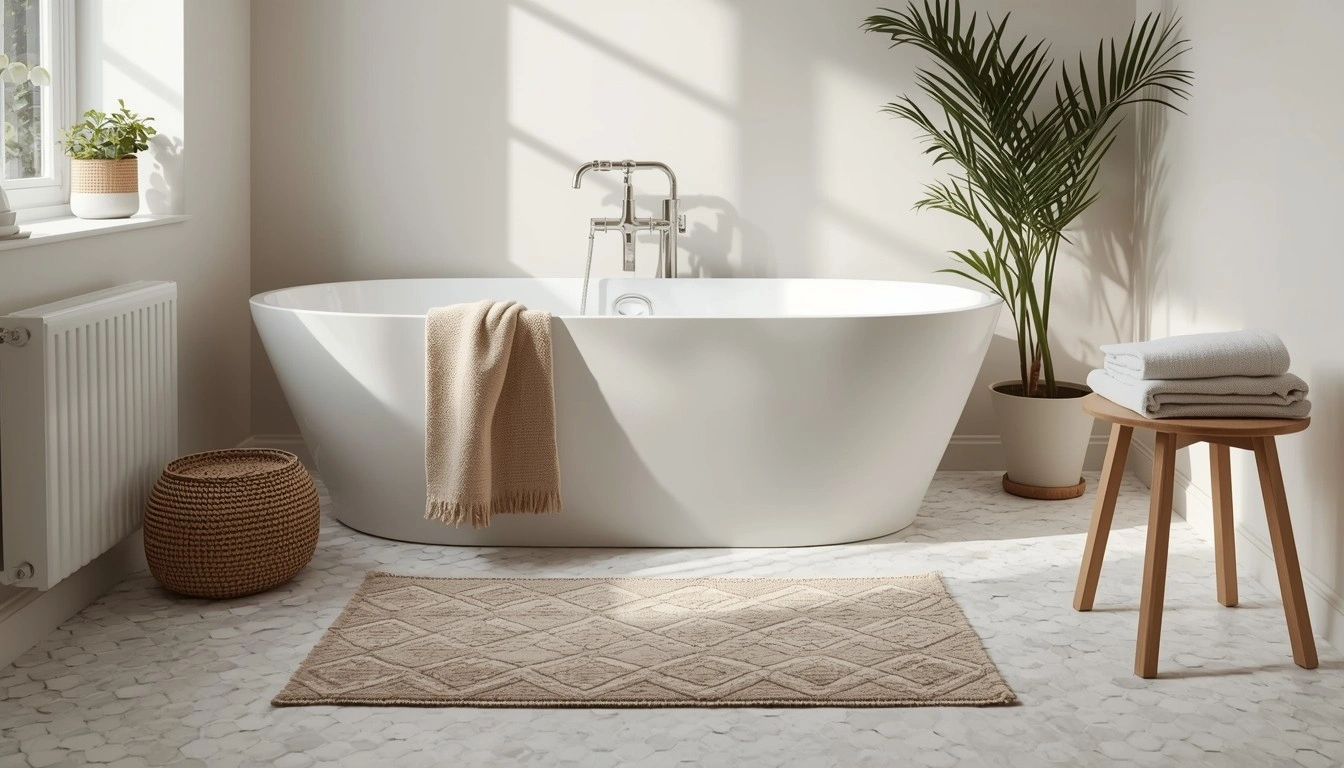
- Texture - for contrast with the floor. On smooth laminate - fluffy pile. On tiles - braided or woven. On parquet - whatever you like.
- Non-slip pad underneath. For safety and longevity - especially in the bedroom and children's zone.
A Small Detail, a Big Mood
We often think of renovation and decor as large decisions: replace the floor, repaint the walls, buy new furniture. But the mood of a space is often not shaped by these things. It is shaped by details - those that are seen and felt every day.
A mini rug is exactly such a detail. It doesn't solve all the problems of an interior. But it gently signals that this corner is lived-in, considered, and alive. That someone cares about comfort here. That even a small space deserves attention and warmth.
Kraftohata creates handmade rugs with precisely this understanding - that every corner of your home has its own character, and the right textile helps reveal it. A small rug doesn't necessarily take up a small place in your heart.