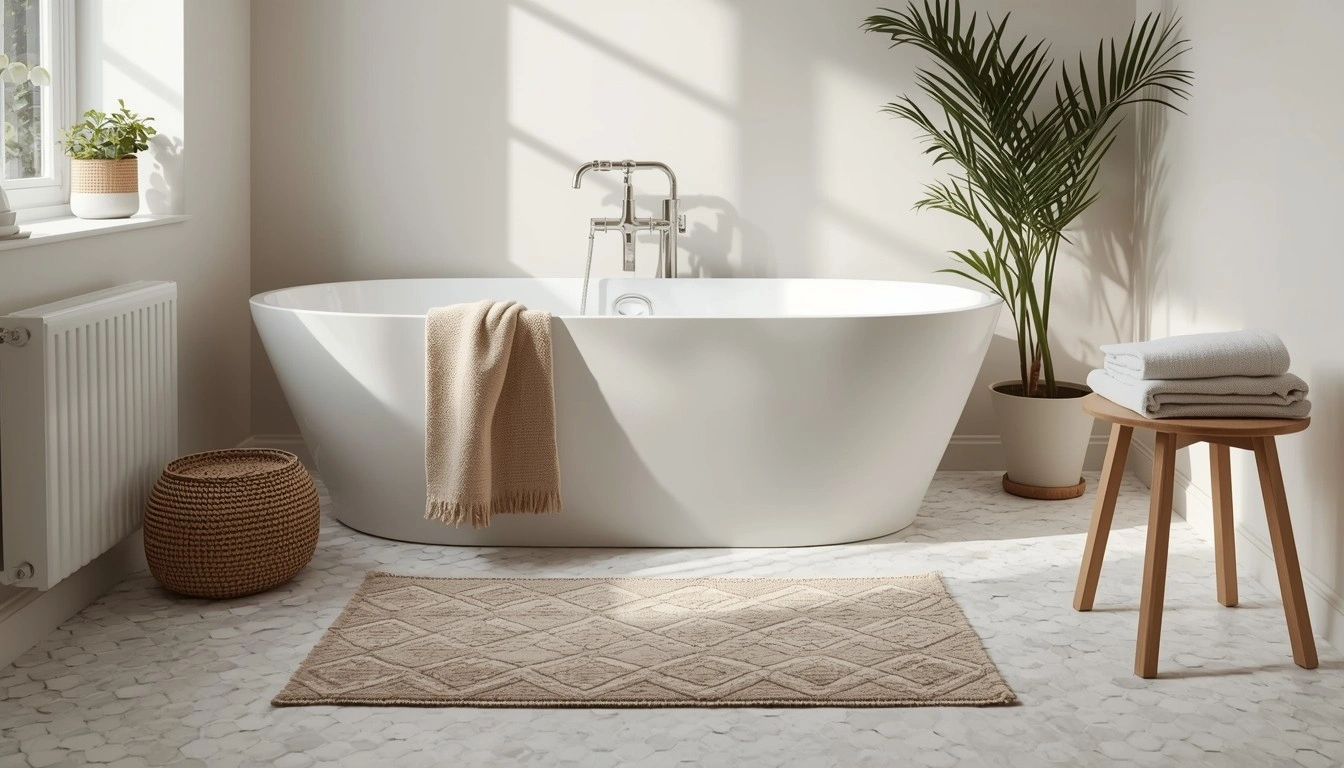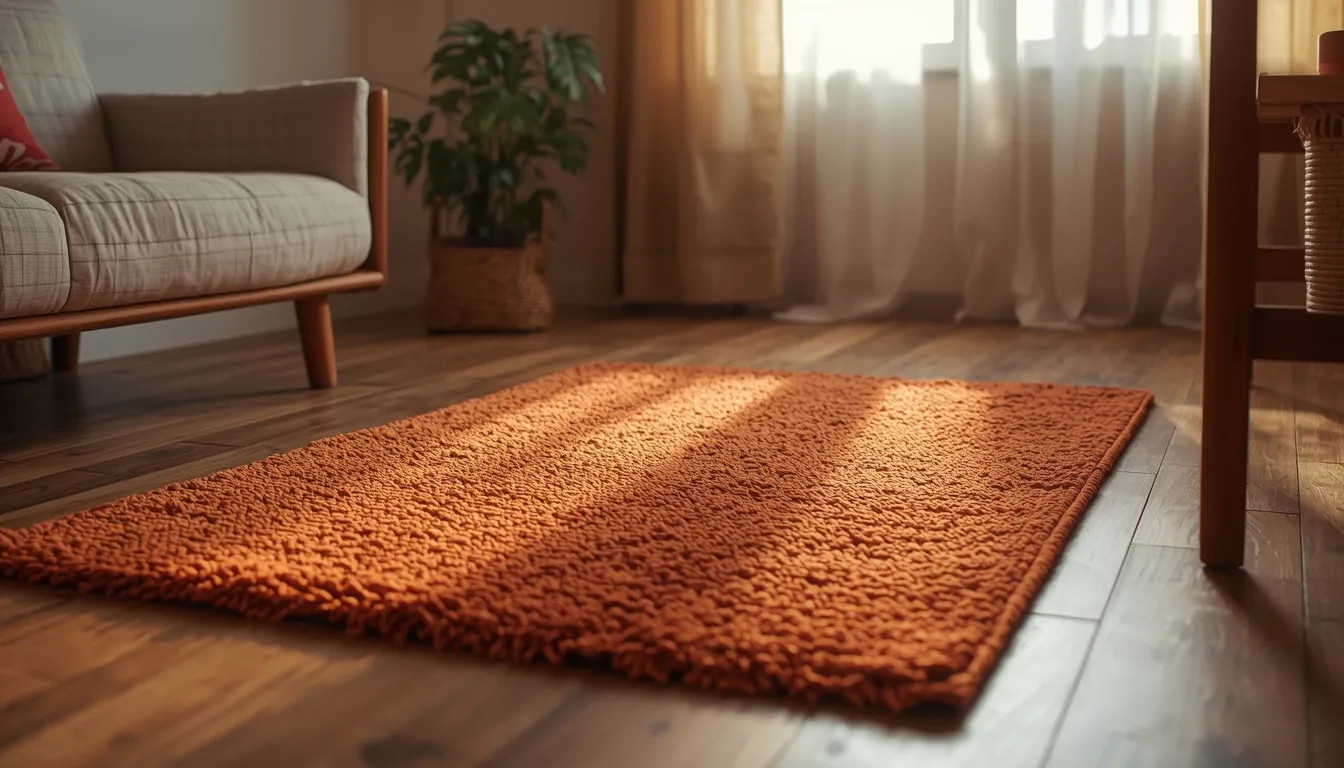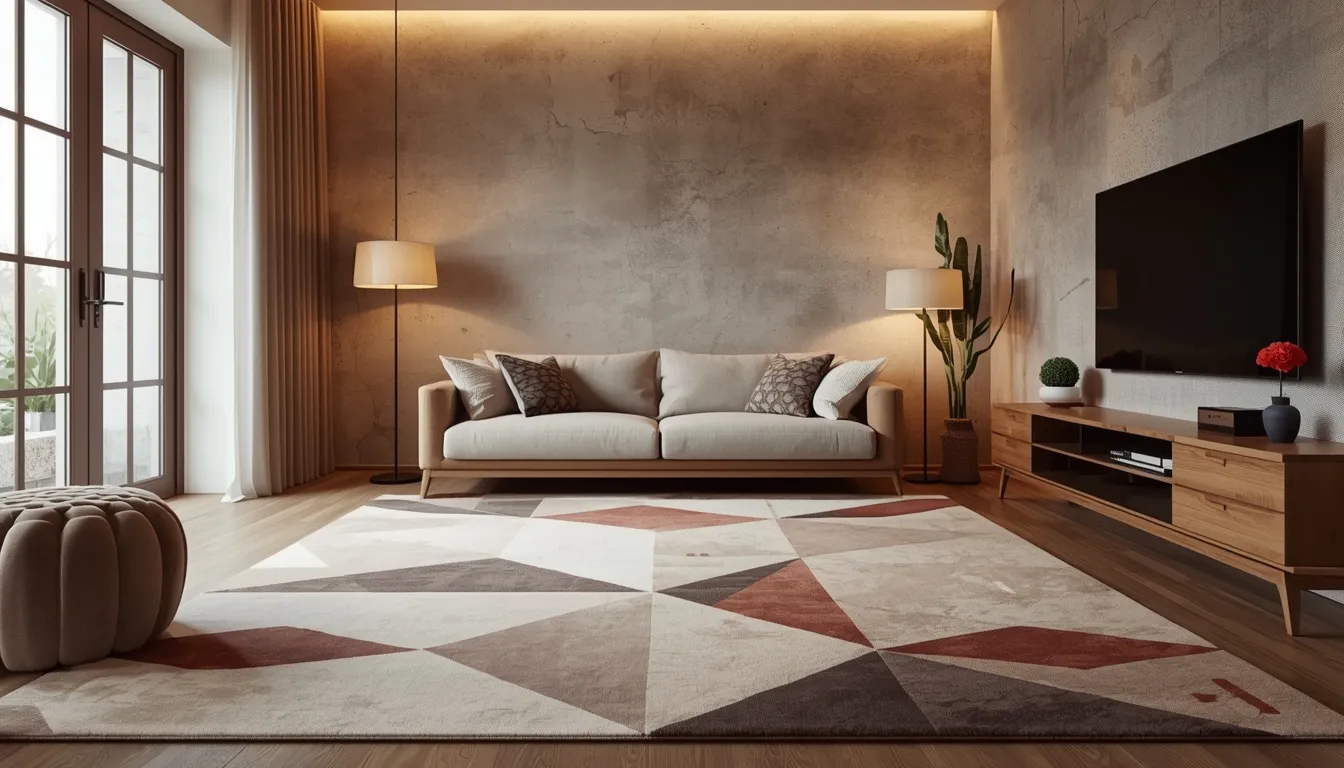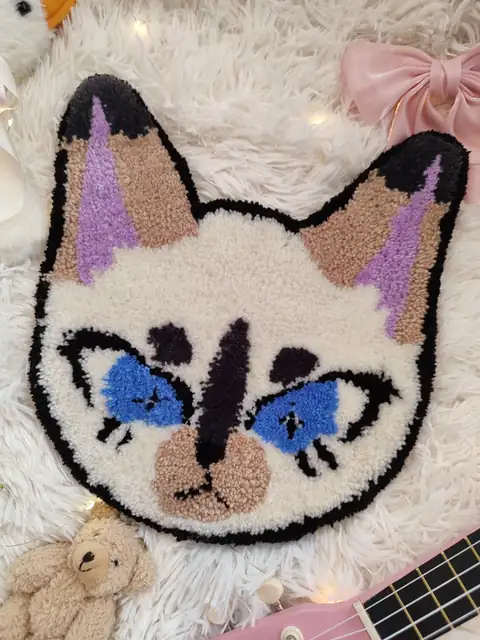
Imagine walking into someone's home and the first thing that catches your eye isn't a framed print or a photograph, but a large handmade textile panel. Warm threads, rich texture, a one-of-a-kind pattern. You immediately sense this person has taste - and nothing about it feels like a Soviet-era bedroom.
So why is it that for so many people, the phrase "rug on the wall" still conjures up a 1985 bedroom with a mass-produced carpet tacked above the headboard? And how does that stereotype stop us from recognizing one of the biggest global interior trends right now?
Where the "Soviet carpet" myth came from
In the 1960s through 1980s, mass production made synthetic rugs affordable for millions of Soviet families. A rug on the wall served very practical purposes back then: it insulated poorly built panel-house walls, improved room acoustics, and concealed uneven plaster. It wasn't an artistic choice - it was a necessity.
But textile on walls is a far older tradition. Flemish and French tapestries adorned the walls of royal palaces from the 14th and 15th centuries onward. The very word tapestry in French comes from the Gobelin family of weavers whose Parisian manufactory supplied Versailles. Medieval castles were defined by wall hangings - they retained warmth, impressed guests, and signaled the status of the owner.
So the problem was never the rug itself. The problem was cheap materials, imposed aesthetics, and no real choice. Contemporary handmade works are an entirely different story.
Why textile is returning to walls in 2025-2026
Leading designers and publications around the world are documenting the same thing: textile art on walls is experiencing a full-blown renaissance. And it's not merely nostalgia - it's a response to information overload, the monotony of minimalism, and a desire to have something real and unique in the home.
Tactility has become the new luxury. In a world of smooth, cold, sterile surfaces, people are drawn to materials they can actually feel. Wool, cotton, linen, natural jute - these bring warmth and aliveness to a space that no canvas print can replicate.
There's also a genuine acoustic benefit. A textile panel significantly improves sound absorption in a room - especially relevant for open-plan apartments and studios. A wall rug is simultaneously an art object and a functional solution.
Designers also point out that after the era of nearly identical gallery walls bought from big-box stores, people are craving individuality. A handmade tufted panel or woven tapestry is always one of a kind. No two are ever identical.
Tapestry, tufting, macrame: how to tell them apart and choose
Before choosing a textile for your wall, it helps to understand the techniques available. Each has its own character and suits different interiors.
Tapestry (woven panel)
The classic technique of hand-weaving on a frame or loom. Threads interlace according to a pattern, creating an almost painterly effect. Tapestries can be minimalist - a few colors, geometry, abstraction - or highly detailed, with landscapes and ornaments. They suit Scandinavian, bohemian, eclectic, and contemporary classic styles.
Tufting
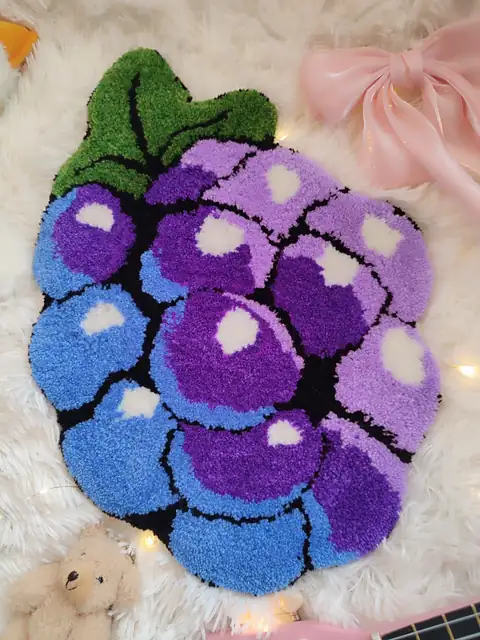
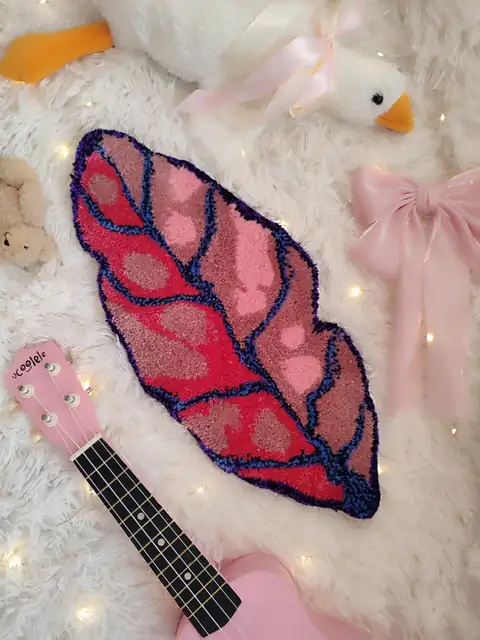
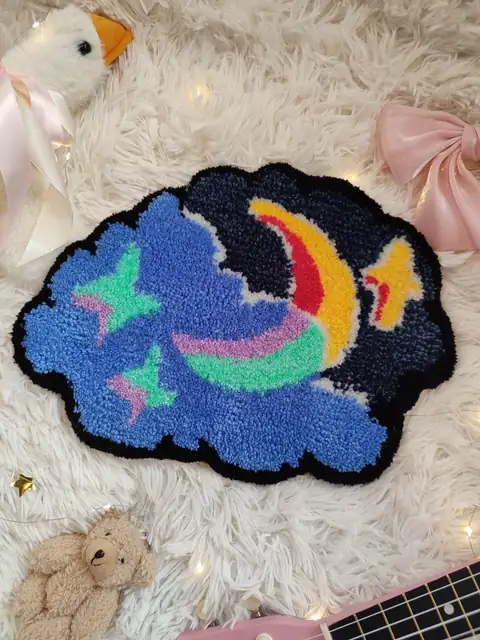
A contemporary technique: a tufting gun drives loops of yarn into a fabric backing, creating a raised, pile-surface design. Tufted works resemble traditional rugs but in panel format - hung on the wall like paintings. By varying pile height, artists can produce incredibly sculptural, almost three-dimensional results. Ideal for contemporary, pop-art, maximalist, and neon aesthetics.
Macrame and weaving
A knotting technique using natural cords - cotton, linen, jute. The result is an airy, openwork piece with a grounded, organic character. It integrates beautifully into boho, eco-style, Scandinavian minimalism, and Provence interiors.
General rule: the heavier and more textured the piece, the more visual weight it carries and the more clear wall space it needs around it. Lighter, finer pieces combine more easily with other decor.
How to use a small rug or panel instead of a painting
The most common question: don't you need a huge rug for it to look good? Not at all. Small handmade works - 40x60 cm, 50x70 cm, even 30x40 cm - work beautifully as a painting substitute or decorative accent. The key is in the placement and presentation.
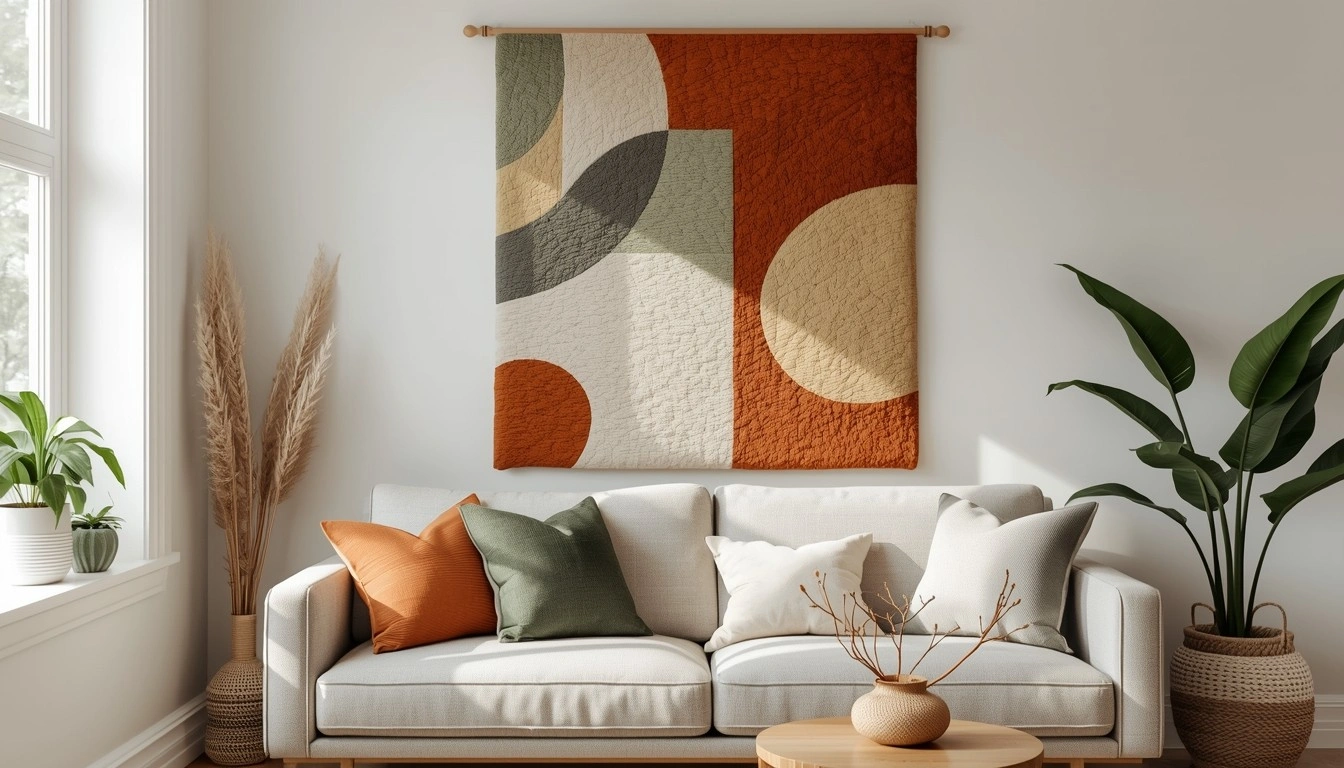
Above the sofa instead of a painting
The classic spot for large artwork is an equally great spot for a textile panel. Hang it on a decorative rod - wooden, metal, or copper - which emphasizes the handmade nature of the piece. For a sofa 180-200 cm wide, an optimal panel width is 80-140 cm. Smaller works can be grouped in pairs or sets of three.
As a headboard alternative above the bed
Instead of a standard upholstered headboard or a painting - a large textile panel starting just above the mattress or slightly higher. The effect is soft, warm, and completely unique. Wool or cotton pieces in pastel tones create a sense of calm that is perfect for a bedroom.
In the hallway as a focal point
A hallway rarely has room for furniture, but there is always a wall. A small bold panel or woven piece immediately sets the tone for the entire apartment. Guests see it first - and remember it.
In a home office
Textile on the wall behind you is a perfect background for video calls. Not aggressive, not loud, but immediately distinctive against the sea of white walls on Zoom. It also absorbs ambient sound, which matters for recordings and calls.
As part of a gallery wall
A textile panel pairs beautifully with paintings, photographs, and mirrors in a composed gallery wall. It introduces tactile contrast and reads as the standout element among more conventional pieces.
Practical tips for choosing and hanging
Color harmony. Your textile panel doesn't need to literally echo the wall or furniture color. Better to orient to the room's overall palette and choose a work that speaks to two or three shades already present.
Texture and contrast. If your walls are smooth, a textured piece gains even more impact. If the wall already has texture, opt for a more graphic, less busy design in the artwork itself.
Hanging height. Center the work at approximately eye level - around 145-160 cm from the floor. Above sofas or beds, leave a gap of 15-25 cm from the backrest or pillows.
Mounting. The most elegant approach is a decorative rod or wooden dowel supporting the top edge of the piece. This preserves the shape of the work and prevents thread distortion over time.
Breathing room. Give your textile panel space - at least 20-30 cm of clear wall around it so it reads as an independent artwork.
Kraftohata handmade works: when a rug is art
At Kraftohata, every textile panel is made by hand from scratch. Artisans work with natural materials: wool, cotton, linen. Each piece goes through multiple stages - from sketch to finished work - and exists as a unique original.
Our tufted panels and woven tapestries can be commissioned for a specific interior: choose the size, color palette, and style. This is not mass production - it is a dialogue between maker and your home.
If you've been thinking about refreshing a wall but don't know where to start, get in touch. We'll help you find the piece that becomes the true center of your interior.
Conclusion
A rug on the wall is not a relic of the past. It is a living tradition returning in new forms: tufted panels, handcrafted tapestries, woven installations. It returns because people once again want warmth, texture, and uniqueness in their homes.
Next time you want to put something meaningful on a wall - think beyond paintings. Think about textile. It speaks differently - more quietly, more warmly, more deeply.